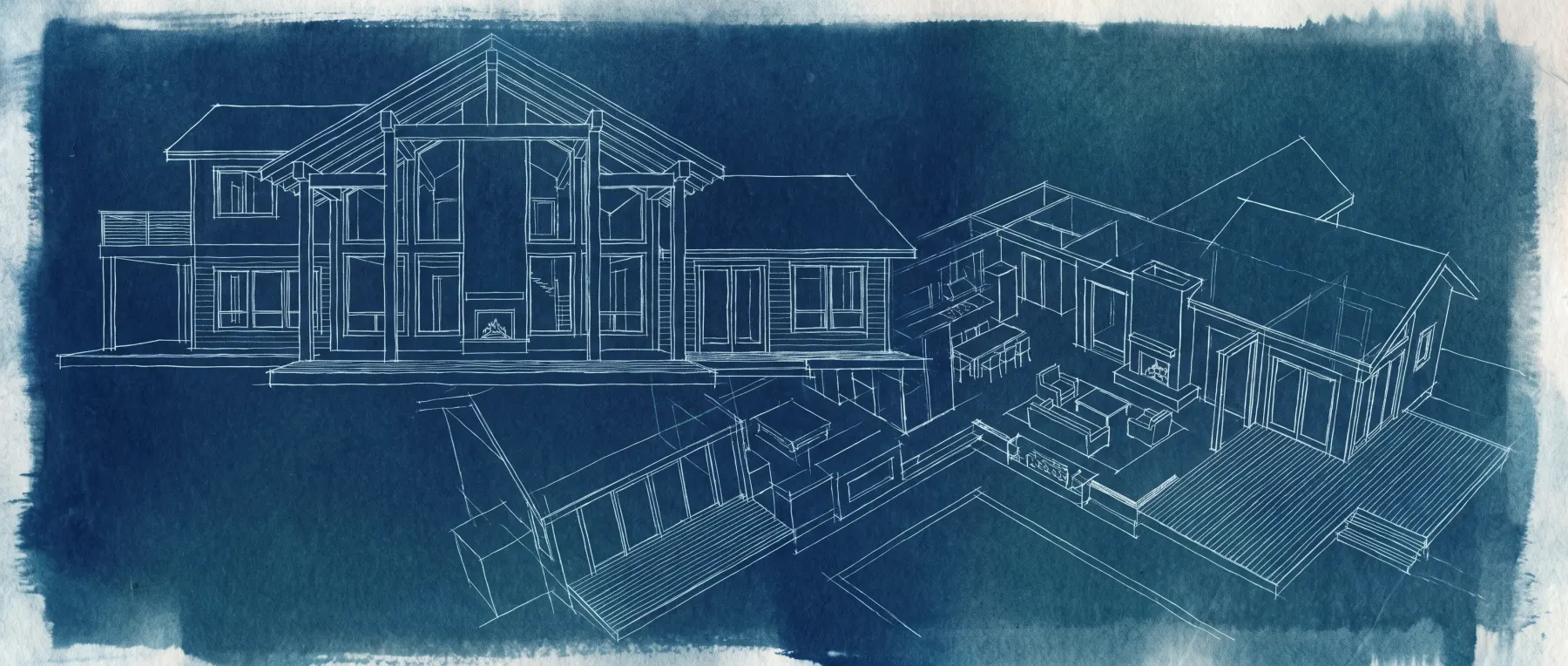
More house at the same address — when moving isn't the answer.
A well-built addition should look like it was always there. That takes structural engineering, a roofline that ties in, and finishes that match — not a box bolted onto the side of the house.
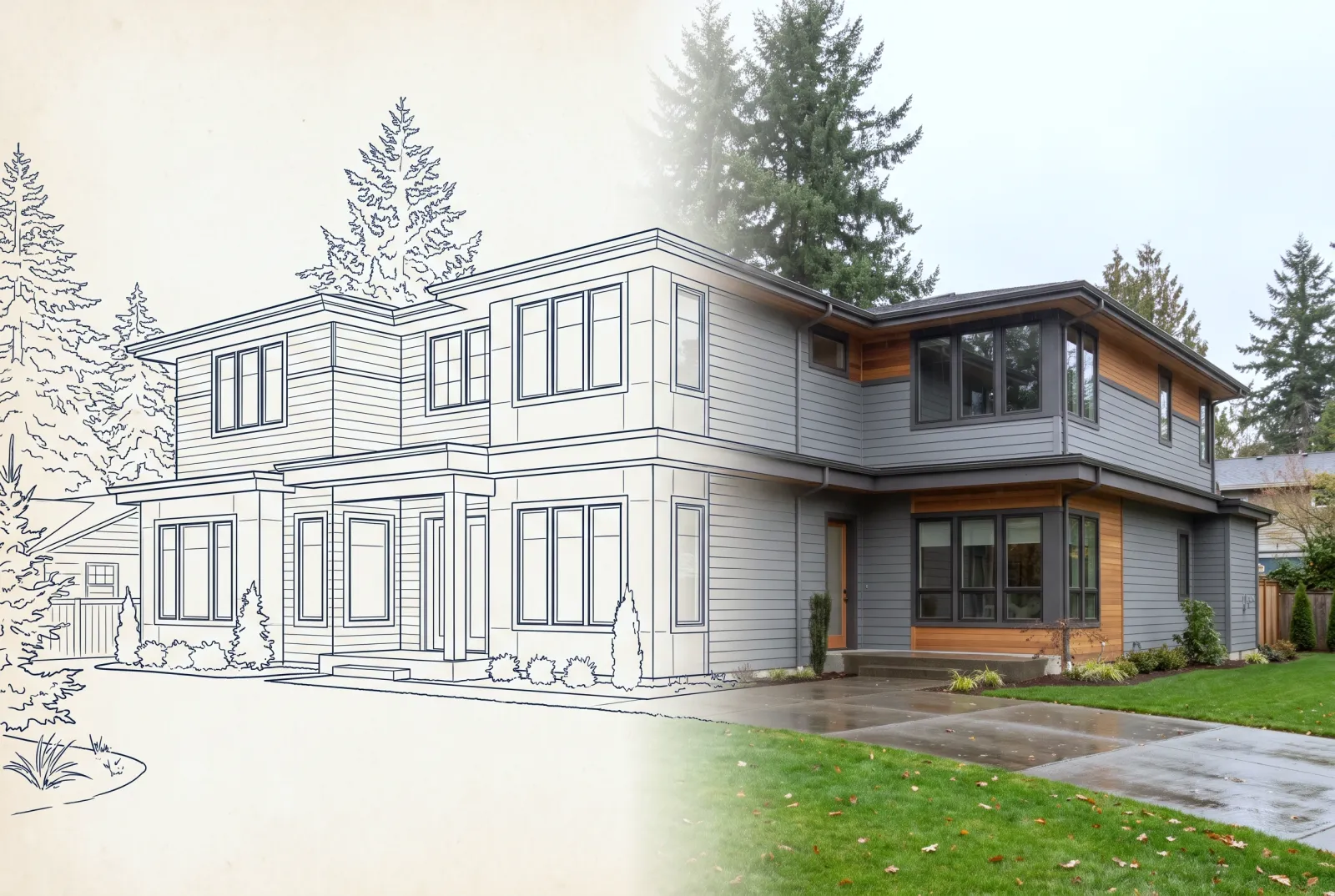
Is this you?
You're out of room but you love your neighborhood, your schools, your commute. A bump-out, a room addition, or a second story gets you the space without the cost and upheaval of moving — if it's designed to integrate with the home you already have.
This fits if you want to:
- A room addition — primary suite, family room, home office.
- A second-story addition to gain bedrooms without losing yard.
- A bump-out to make a kitchen or living space finally work.
What’s included — and what’s not
| Included | Not included |
|---|---|
| Design, structural engineering, and integration | The cost of moving out, if needed during a second story |
| Foundation/framing, roof tie-in, siding match | Detached structures (separate scope) |
| Interior finishes to match or complement the home | Furnishing and décor |
| Permits, engineering review, inspections | Site work beyond the addition footprint |
How it works
- Consultation — we look at the house, the lot, and what the addition needs to do.
- Design + engineering — drawings and structural work so the addition ties into the existing home.
- Permits — pulled with the engineering package for review.
- Build — foundation/framing, roof tie-in, weatherproofing, and finishes.
- Walkthrough — punch list, final inspection, clean hand-back.
Seattle & King County notes
Additions need a permit and structural review everywhere in King County, and they're governed by setbacks, lot coverage, and height limits that vary by city. We check what your lot allows before designing, so the plan is one the city will actually approve.
Often, if the existing foundation and framing can carry it or be reinforced. We assess that early — it's the question that decides whether a second story makes sense.